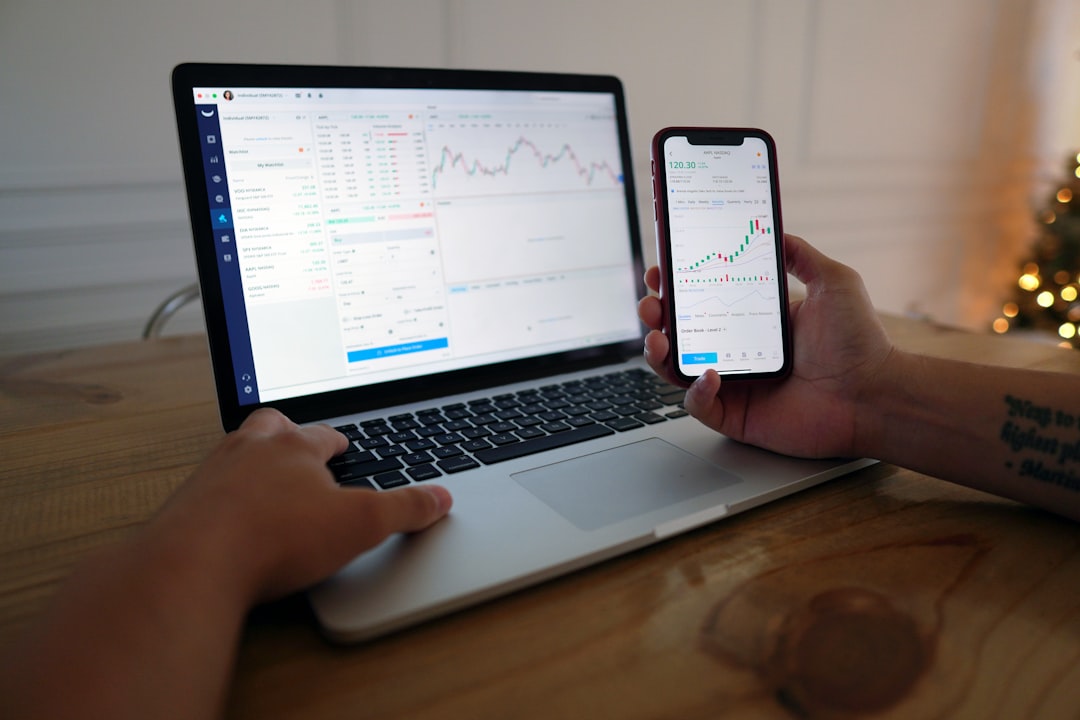
For many people, the hardest part of building wealth is not earning the first return; it is making the first decision. Which account should you open, what should you buy, and how do you identify the best investing app without getting distracted by noise? New investors often assume successful investing begins with a brilliant stock pick. In reality, it begins with structure, patience, and a plan you can follow through changing markets. Afford Limited approaches the question of how to start investing and create wealth with a simple principle: long-term progress is usually built through disciplined choices, not dramatic moves. That makes a strong foundation far more valuable than a fast start.
Begin with a personal investment plan, not a product
Before choosing funds, shares, or platforms, a new investor needs to understand what the money is meant to do. Investing for retirement has a different time horizon from investing for a home deposit, education costs, or general wealth creation. When the goal is vague, decisions tend to become emotional. When the goal is specific, it becomes much easier to judge whether a strategy is sensible.
A useful starting point is to define three things clearly: your objective, your time horizon, and your tolerance for volatility. A person investing for a goal that is many years away can usually accept more short-term market movement than someone who may need the money soon. That is why investing should not begin with copying someone else’s portfolio. It should begin with understanding your own financial position.
- Objective: Are you investing for long-term wealth, income, or a future purchase?
- Time horizon: Will you need the money in a few years or several decades?
- Risk tolerance: How much fluctuation can you realistically handle without abandoning the plan?
- Financial base: Do you have emergency savings and manageable high-interest debt?
New investors often overlook that last point. Investing works best when it sits on top of a stable financial base. If every unexpected bill forces you to sell investments, your strategy is fragile from the start. Building even a modest cash reserve can make the investing journey calmer and more sustainable.
Choose investment strategies that reward consistency
Beginners rarely benefit from complexity. In most cases, the best strategy is one that is understandable, diversified, and easy to maintain. That usually means focusing on broad exposure, regular contributions, and a long-term mindset. Trying to jump between trends, sectors, or headlines often creates more activity than progress.
For many new investors, a small number of simple approaches can provide a strong starting framework. The right option depends on your goals, but clarity matters more than novelty. The table below shows how common beginner-friendly strategies differ in practice.
| Strategy | Best suited to | Why it works for beginners | Main caution |
|---|---|---|---|
| Broad market index investing | Long-term wealth building | Offers diversification and reduces reliance on choosing individual winners | Requires patience during market downturns |
| Regular monthly investing | People building gradually from income | Creates discipline and reduces the pressure of trying to time the market | Needs consistency to be effective |
| Dividend-focused investing | Investors interested in income alongside growth | Can encourage a long-term ownership mindset | Should not replace diversification |
| Goal-based investing buckets | Investors with several future priorities | Makes it easier to match risk to each financial goal | Can become messy if overcomplicated |
Among these, broad market exposure and regular investing are often the most practical place to begin. They shift the focus away from prediction and toward participation. Instead of asking, “What is the next big winner?” the better question becomes, “How can I keep adding to a sensible portfolio over time?” That change in mindset is one of the most important early lessons in investing.
What the best investing app should actually help you do
The best investing app is not simply the one with the sleekest interface or the loudest promises. For a beginner, it should make good behaviour easier: funding an account regularly, staying diversified, understanding fees, and reviewing progress without encouraging impulsive decisions. A platform should support discipline, not replace it.
For readers comparing platforms, Afford Limited offers perspective on what to look for in a best investing app so that convenience, clarity, and long-term usability come before hype.
- Clear fees and account terms: You should understand what you pay and why. Hidden costs can quietly weaken long-term returns.
- Simple funding and automation: Recurring deposits are one of the most useful features for a new investor.
- Access to diversified investments: Beginners usually need broad options more than exotic ones.
- Easy portfolio tracking: Good design should help you understand your allocation without turning investing into a daily obsession.
- Strong security standards: Account protection, verification, and transparent support matter as much as convenience.
- Educational value: The best platforms help users learn what they own and why they own it.
A good app should also reduce the temptation to confuse action with progress. Constant alerts, endless price watching, and frictionless speculation can be damaging for people who are still building confidence. In practice, the best investing app is usually the one that helps you stay committed to your plan when markets are dull, exciting, or uncomfortable.
Build your first portfolio without overcomplicating it
One of the most common mistakes among new investors is creating a portfolio that is far too busy. Owning too many overlapping positions, reacting to every market move, or adding assets you do not understand can make investing harder than it needs to be. A better approach is to start with a core structure and only add complexity when there is a clear reason.
A simple first portfolio often follows a practical sequence:
- Choose the right account type for your tax position, goals, and access needs.
- Start with a diversified core rather than a scattered list of individual picks.
- Decide on a monthly contribution amount you can maintain comfortably.
- Automate contributions so investing happens whether markets feel exciting or not.
- Review periodically to rebalance or adjust for life changes, rather than reacting to daily market noise.
This approach gives the portfolio a rhythm. Money goes in regularly, diversification remains intact, and decisions are made on purpose instead of under pressure. For new investors, that is often more valuable than trying to optimise every detail from day one. Wealth is usually built through repeated sensible actions, not through a perfect opening move.
Stay away from the habits that derail beginners
Good investment strategies matter, but avoiding poor habits matters just as much. The most damaging mistakes are often behavioural: chasing performance after a surge, panicking during a decline, or changing direction so often that no strategy has time to work. Investing tests patience before it rewards it.
- Do not invest money you may need soon. Short-term needs and long-term investing rarely mix well.
- Do not let headlines drive your plan. News can influence prices, but it should not define your entire strategy.
- Do not confuse diversification with randomness. Owning many assets is only helpful if they serve a clear purpose.
- Do not check performance obsessively. Frequent monitoring can push investors into unnecessary decisions.
- Do not abandon the plan after normal volatility. Market movement is part of investing, not proof that the strategy is broken.
Afford Limited’s broader message is a valuable one for anyone starting out: creating wealth is usually less about finding a shortcut and more about developing durable habits. If you are still searching for the best investing app, remember that the platform is only one part of the process. The stronger edge comes from knowing your goals, keeping your portfolio simple, contributing steadily, and staying patient long enough for compounding to do its work. New investors do not need a dramatic strategy. They need a smart one they can keep.
——————-
Check out more on best investing app contact us anytime:
Afford Limited | How to start investing, and create Wealth
https://www.affordlimited.com/
Auckland (Newmarket) – Auckland, New Zealand
Afford Limited, first steps to the best investing app, investing course, investing blogs, investing in property, bitcoin, stock markets, you can afford
