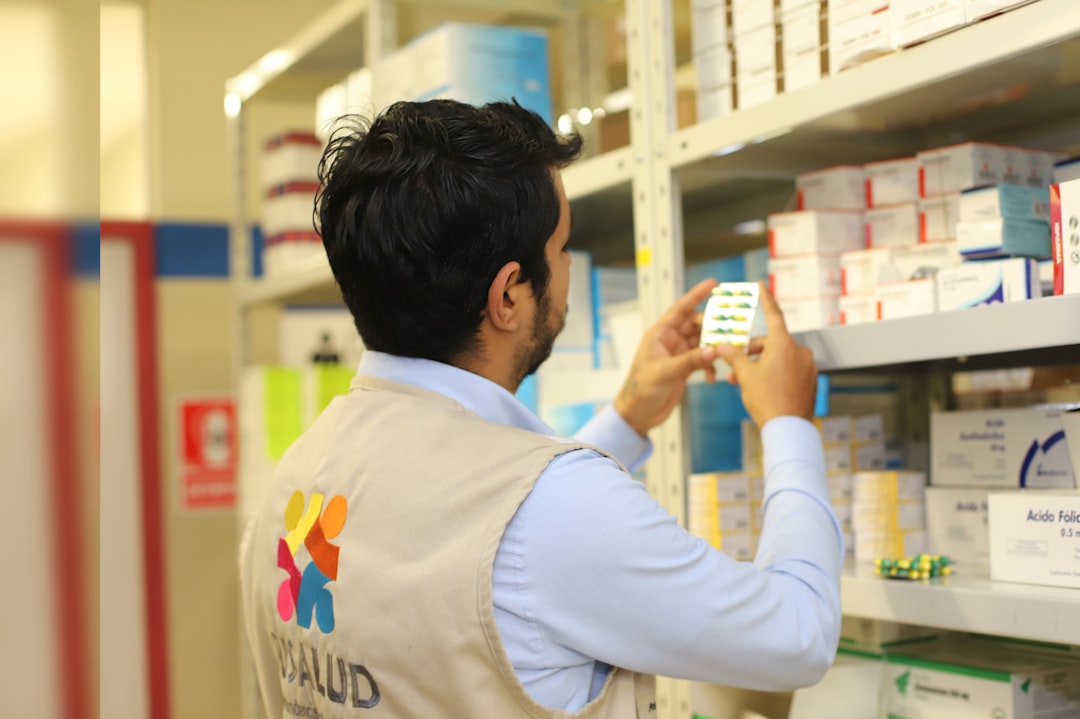
Introduction
In the healthcare industry, patient safety is paramount, and medical labelling systems play a crucial role in ensuring this safety. These systems are designed to provide clear, accurate, and easily interpretable information about medications, medical devices, and patient records. By reducing the likelihood of errors and improving communication among healthcare providers, medical labelling systems significantly enhance the quality of care and patient outcomes.
Reducing Medication Errors
One of the most critical areas where medical labelling systems contribute to patient safety is in the administration of medications. Incorrect medication administration is a common and potentially dangerous error in healthcare settings. Medical labelling systems help prevent such errors by providing essential information, including the medication name, dosage, administration route, and expiration date. Clear labelling ensures that healthcare providers can quickly verify that they are administering the right medication to the right patient at the right time, thus minimizing the risk of adverse drug events.
Enhancing Communication
Effective communication is vital in healthcare, and medical labelling systems facilitate this by offering a standardized method for conveying important information. Labels often include barcodes and QR codes that can be scanned to access additional data about a product or patient. This technology allows for seamless integration of information across different platforms, enhancing communication between various departments and professionals. As a result, the risk of miscommunication and subsequent errors is significantly reduced, leading to improved patient safety.
Improving Traceability and Accountability
Medical labelling systems also enhance traceability and accountability in healthcare settings. By providing a reliable record of the origin, handling, and usage of medical products, these systems enable healthcare providers to trace the history of a product quickly. This capability is particularly important in the case of recalls or adverse events, where swift action is necessary. Enhanced traceability ensures that any issues can be promptly addressed and resolved, safeguarding both patient safety and the integrity of the healthcare system.
Conclusion
In summary, medical labelling systems are a vital component of patient safety in healthcare. By reducing medication errors, enhancing communication, and improving traceability, these systems contribute significantly to the quality and safety of patient care. As healthcare continues to evolve, the role of medical labelling systems will likely become even more integral, ensuring that patients receive the highest standard of care in a safe and effective manner. Investing in advanced labelling technologies and practices is essential for healthcare providers committed to maintaining and improving patient safety.
